Artículo
En el debate, siempre vigente en Latinoamérica, sobre el rol de la memoria histórica en la configuración de nuestra identidad colectiva, el teatro adquiere una importancia fundamental por su capacidad de proponer lecturas transformadoras del presente y del pasado que ponen el acento en el carácter procesual, en permanente reconstrucción, de la memoria. Si la Antígona furiosa de Griselda Gambaro asume, desde la alegoría y la parodia, el reclamo de las Madres de Plaza de Mayo hasta convertirse ella misma en una desaparecida, la Antígona Oriental de Marianella Morena resemantiza la tragedia sofóclea a partir de la experiencia real de ex- presas políticas, hijas y exiliadas de la dictadura militar uruguaya. Desde los parámetros del denominado “teatro documental” se pone al teatro en vínculo con la noción de “historia” a través de la vivencia, del documento y el testimonio. La heroína tebana aparece, en ambos casos, como portavoz de una memoria contrahegemónica, construida por múltiples voces: la de los ausentes, la de los sobrevivientes, la de los testigos. Voces cuestionadoras y deconstructoras del discurso institucional de la historia, que unifica y totaliza la experiencia del pasado. Pero al mismo tiempo asume una lucha encarnizada contra la supresión de la memoria y contra el silencio cómplice, interpelando a la misma sociedad que clama “nunca más” y exige justicia. El mito clásico, atravesado por un hecho histórico traumático, como el terrorismo de Estado en Latinoamérica, despliega nuevos sentidos territorializados. Indagaremos en los modos en que ambas piezas abordan la problemática de los desaparecidos, la represión y la violencia institucional, como así también en su tratamiento estético y en sus concepciones poéticas. In the debate, always ongoing in Latin America, on the role of historical memory in the configuration of our collective identity, theatre acquires a fundamental importance for its ability to propose transformative readings of the present and the past that emphasise the processual character, in permanent reconstruction, of memory. If Griselda Gambaro’s Antigone furiosa, through allegory and parody, takes on the claim of the Mothers of Plaza de Mayo until she herself becomes a disappeared person, Marianella Morena’s Antigone Oriental re-semantizes the sophochlean tragedy based on the real experience of former political prisoners, daughters and exiles of the Uruguayan military dictatorship. From the parameters of the so-called “documentary theater”, and from a profoundly moving experience, the latter puts theater in link with the notion of “history” through experience, document and testimony. The Theban heroine appears, in both cases, as the spokesperson of a counter-hegemonic memory, constructed by multiple voices: that of the absent, that of the survivors, that of the witnesses. Voices that question and deconstruct the institutional discourse of history, which unifies and totalizes the experience of the past. But at the same time it assumes a fierce struggle against the suppression of memory and against complicit silence, appealing to the same society that cries out “never again” and demands justice. The classic myth, traversed by a traumatic historical event, such as state terrorism in Latin America, unfolds new meanings and territorialized readings. We will investigate the ways in which both pieces address the problem of the disappeared, repression and institutional violence, as well as their aesthetic treatments and poetic conceptions.
Antígona como portavoz de la memoria histórica: tragedia e identidad
Título:
Antigone as a Spokesperson for Historical Memory Tragedy and Identity

Fecha de publicación:
11/2025
Editorial:
Universidade de Aveiro
Revista:
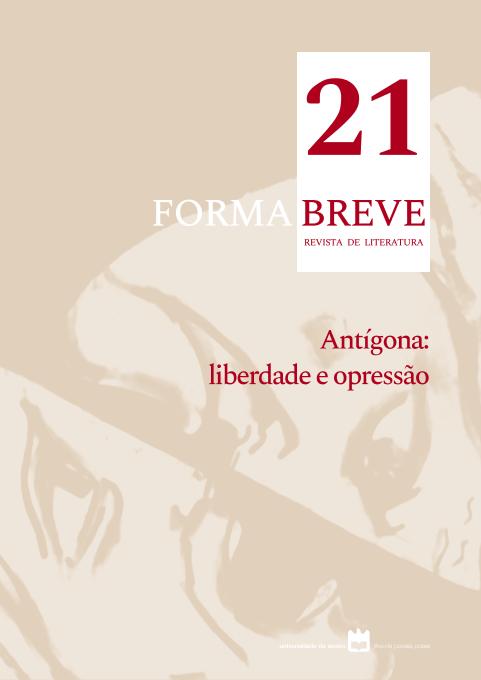
Forma Breve
ISSN:
1645-927X
e-ISSN:
2183-4709
Idioma:
Español
Tipo de recurso:
Artículo publicado
Clasificación temática:
Resumen
Palabras clave:
Antígona
,
Relecturas
,
Griselda Gambaro
,
Marianella Morena
Archivos asociados

Tamaño:
3.176Mb
Formato:
PDF
Licencia
 Excepto donde se diga explícitamente, este item se publica bajo la siguiente descripción:
Creative Commons Attribution 2.5 Unported (CC BY 2.5)
Excepto donde se diga explícitamente, este item se publica bajo la siguiente descripción:
Creative Commons Attribution 2.5 Unported (CC BY 2.5)
Identificadores
Colecciones
Articulos(SEDE CENTRAL)
Articulos de SEDE CENTRAL
Articulos de SEDE CENTRAL
Citación
Díaz, Silvina Alejandra; Antígona como portavoz de la memoria histórica: tragedia e identidad; Universidade de Aveiro; Forma Breve; 21; 11-2025; 543-553
Compartir

