Mostrar el registro sencillo del ítem
dc.contributor.author
Mardones Charlone, Pablo
dc.contributor.other
Ramírez, Alejandra
dc.contributor.other
Alfaro, Yolanda
dc.contributor.other
Stoica, Alina
dc.date.available
2025-12-01T15:46:56Z
dc.date.issued
2024
dc.identifier.citation
Mardones Charlone, Pablo; Tensiones entre Estado, aymaras y migrantes en la frontera entre Chile y Bolivia; Universidad Mayor de San Simón; 2024; 278-300
dc.identifier.isbn
978-99905-72-02-5
dc.identifier.uri
http://hdl.handle.net/11336/276425
dc.description.abstract
El artículo analiza, a través de una etnografía estratégicamente situada, realizada entre 2021 y 2022, la excepcional relevancia adquirida por la fronteriza comuna aymara de Colchane, en la Región de Tarapacá, Norte Grande de Chile, desde la segunda década del siglo XXI. En este periodo, en el marco de las nuevas “amenazas transnacionales”, se implementó un régimen de control fronterizo que ha implicado una sistemática militarización de la frontera a través de la constitución del Plan Frontera Norte (PFN, entre 2010 y 2014), el Plan Frontera Segura (PFS, a partir de 2018), el Plan Colchane (PC, desde 2021), y, finalmente, el estado de excepción constitucional (2022) y la aprobación de la ley Nº 21.542 de Protección de Infraestructura Crítica por parte de las Fuerzas Armada (2023). Se advierte que este régimen de control fronterizo no logró reducir la migración y, por el contrario, incrementó las tensiones entre Estado, las comunidades indígenas y los migrantes. Así el objetivo del artículo es reflexionar para ampliar los marcos conceptuales sobre migración y frontera, en el contexto de territorios indígenas, mediante un abordaje teórico metodológico, con un enfoque etnográfico centrado en la perspectiva, puntos de vista y opiniones de las comunidades aymara locales y de migrantes internacionales.
dc.description.abstract
The article analyzes, by means of an ethnography strategically located between 2021 and 2022, the exceptional relevance acquired by the Aymara bordering commune of Colchane, in the Tarapacá Region, in the Norte Grande of Chile, since the second decade of the XXI century. In this period, in the framework of the new “transnational threats”, a border control regime was implemented which implied a systematic militarization of the border through the application of the Frontera Norte (PFN, between 2010 and 2014), Frontera Segura (PFS, from 2018), Colchane (PC, from 2021) plans and, finally, the constitutional state of exception (2022) and the approval of Law No. 21,542 on the Protection of Critical Infrastructure by the Armed Forces (2023). It is noted that this border control regime failed to reduce migration and, on the contrary, increased tensions between the State, indigenous communities, and migrants. Thus, the objective of the article is to reflect to broaden the conceptual frameworks on migration and border, in the context of indigenous territories, through a methodological theoretical approach, with an ethnographic approach focused on the perspective, views and opinions of local Aymara communities and international migrants.
dc.format
application/pdf
dc.language.iso
spa
dc.publisher
Universidad Mayor de San Simón
dc.rights
info:eu-repo/semantics/openAccess
dc.rights.uri
https://creativecommons.org/licenses/by-nc-sa/2.5/ar/
dc.subject
Fronteras calientes
dc.subject
Pisiga Bolívar-Colchane
dc.subject
Aymaras
dc.subject
Migrantes norsudamericanos y caribeños
dc.subject.classification
Otras Ciencias Sociales
dc.subject.classification
Otras Ciencias Sociales
dc.subject.classification
CIENCIAS SOCIALES
dc.title
Tensiones entre Estado, aymaras y migrantes en la frontera entre Chile y Bolivia
dc.type
info:eu-repo/semantics/publishedVersion
dc.type
info:eu-repo/semantics/bookPart
dc.type
info:ar-repo/semantics/parte de libro
dc.date.updated
2025-11-26T10:13:23Z
dc.journal.pagination
278-300
dc.journal.pais
Bolivia
dc.journal.ciudad
Cochabamba
dc.description.fil
Fil: Mardones Charlone, Pablo. Universidad de Buenos Aires; Argentina. Universidad de Tarapacá; Chile
dc.relation.alternativeid
info:eu-repo/semantics/altIdentifier/url/https://estudiosfronterizos.org/wp-content/uploads/2024/06/digital-fronteras-y-problematicas-ciudadanas.pdf
dc.conicet.paginas
304
dc.source.titulo
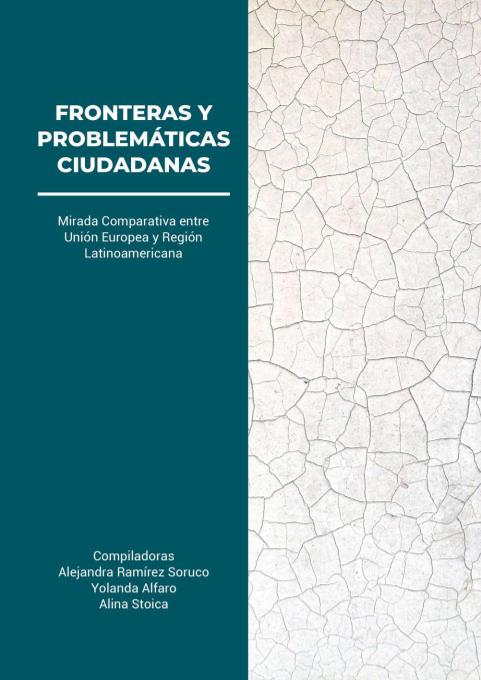
Fronteras y problemáticas ciudadanas: Mirada comparativa entre Unión Europea y Región Latinoamericana
Archivos asociados

Tamaño:
830.7Kb
Formato:
PDF